

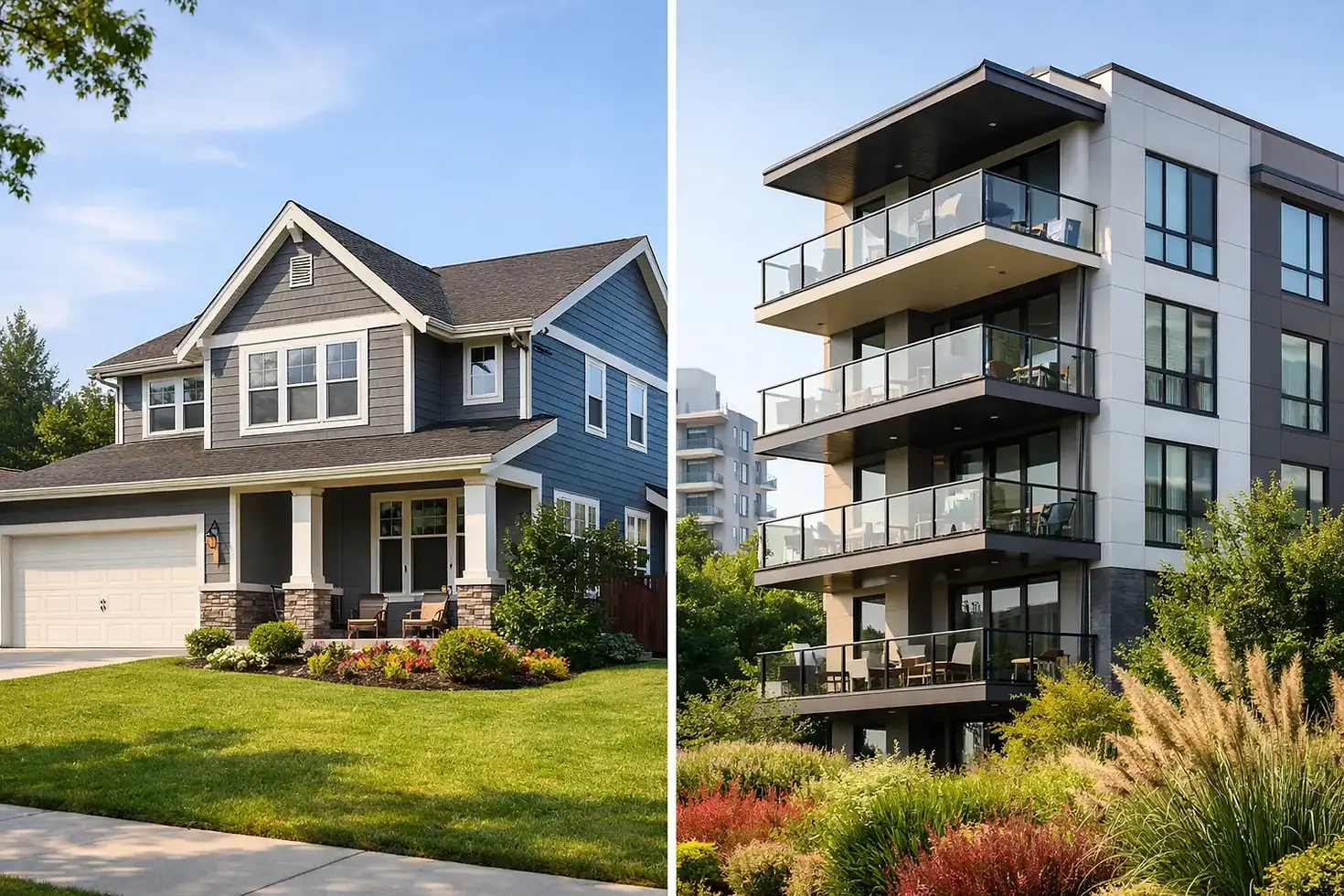
Renting House vs Apartment: Which Fits You?
- Steven Blackwell
- Jul 12
- 6 min read

A rental that looks perfect online can feel very different after move-in day. A house may offer the garage, yard, and extra bedroom your family needs, while an apartment may make your commute, maintenance, and monthly budget easier to manage. When comparing renting house vs apartment, the right choice is less about which property type is better and more about which one supports your daily life without creating avoidable costs or stress.
For renters in the Houston area, that decision can be especially personal. Neighborhoods, traffic patterns, flood considerations, pet needs, utility bills, and lease responsibilities can all shift the value of a rental. Start by looking beyond the advertised rent and consider what each option requires from you after the lease is signed.
Renting House vs Apartment: Start With Your Priorities
Before touring properties, identify the two or three factors that will affect your routine most. If privacy and outdoor space are nonnegotiable, an apartment with excellent amenities may still feel limiting. If a short commute and low-maintenance living matter most, a larger house farther from work may become more expensive in time and fuel than it first appears.
A house often fits renters who need room to spread out, have children or pets, work from home, or want space for vehicles, equipment, and visitors. Apartments can be a practical fit for professionals, students, first-time renters, and anyone who prefers predictable maintenance responsibilities and access to centralized amenities.
Neither choice is automatic. A well-located apartment with an assigned garage can be more convenient than a house with a long drive, while a smaller house in an established neighborhood can offer more privacy than a luxury apartment community. Compare the actual property and lease terms, not just the label.
Monthly Rent Is Only One Part of the Cost
A house may have a higher advertised rent, but some apartments carry recurring fees that narrow the gap. Apartments can charge for parking, package services, pest control, valet trash, amenity access, renters insurance programs, or common-area utilities. Houses may require tenants to handle lawn care, higher electric bills, water service, pest treatment, or occasional maintenance obligations specified in the lease.
Ask for a clear list of every recurring and one-time charge before applying. That should include the application fee, administrative fee, security deposit, pet deposit or pet rent, parking cost, utility setup costs, and any fees assessed at move-out. A lower monthly rent is not necessarily the lower-cost option when other charges are added.
Utilities deserve special attention in Texas. A house generally has more exterior walls, more square footage, and sometimes less efficient insulation than an apartment. That can mean higher cooling costs during a Houston summer. On the other hand, some apartment communities use shared billing arrangements or add service fees that should be reviewed carefully.
Budget for the Move, Not Just the Lease
Moving into a house can require more upfront spending. You may need window coverings, a lawn mower, more furniture, a refrigerator or washer and dryer if they are not provided, and equipment for a larger outdoor area. Apartments are often easier to furnish gradually, particularly when they include appliances and on-site laundry facilities.
Also consider the cost of a longer move, storage needs, and deposits for utilities. A realistic budget gives you more room to choose a home based on fit rather than being forced into the cheapest available option.
Space, Privacy, and Everyday Comfort
The appeal of a rental house is usually straightforward: more room and more separation. You may have a private yard, driveway, garage, attic storage, and no neighbor directly above or below you. For households with active children, large dogs, musical hobbies, or frequent guests, that space can make a meaningful difference.
Privacy comes with responsibility, however. You may be the first person to notice a sprinkler issue, fence damage, a malfunctioning gate, or a drainage concern after heavy rain. The landlord may remain responsible for major repairs, but the lease will usually require you to report problems promptly and keep the property in reasonable condition.
Apartments tend to trade private space for convenience. You may have less storage and hear more shared-wall noise, but maintenance requests are often simpler to submit and community rules may help keep common areas orderly. Many communities also provide pools, fitness rooms, dog parks, package lockers, and controlled access without requiring you to maintain any of them yourself.
Think honestly about how you use space. A large living room is valuable only if you will use it. A balcony may be enough for someone who wants fresh air but not weekend yard work. A small apartment can feel efficient and comfortable when the location gives you access to parks, restaurants, work, and the people you see most often.
Maintenance: Know Who Handles What
Maintenance is one of the biggest practical differences between renting a house and renting an apartment. In an apartment, the property manager typically has an on-site or centralized process for repairs. In a single-family rental, response times and procedures may vary depending on the owner and management company.
Read the maintenance section of the lease before signing. Confirm how to submit a work order, what qualifies as an emergency, who is responsible for replacing air filters and light bulbs, and whether lawn care or pest control is included. If a property has a pool, septic system, fireplace, water softener, or irrigation system, ask what tenant use and care requirements apply.
A professionally managed house can offer a strong middle ground: the space of a home with a defined repair process and clear points of contact. At ONE Innovative, the goal of property management is to make responsibilities clear for owners and residents so routine issues do not become unnecessary disruptions.
Location Can Change the Answer
A house and an apartment with similar rent can produce very different daily schedules. In the Houston metro area, a few extra miles can turn into substantial commute time depending on your route and work hours. Evaluate the property during the times you would actually travel, not only during a weekend tour.
For a house, consider driveway access, street parking, school routes, neighborhood traffic, and the distance to groceries, medical care, and services you use regularly. For an apartment, look at parking availability after business hours, elevator access, guest parking, delivery procedures, and whether your unit faces a busy road, pool, or parking area.
It is also wise to ask practical questions about the property itself. How is drainage around the home? Are there visible signs of water intrusion? Is the air conditioning working well during the showing? For apartments, ask about pest-control procedures, building access, noise policies, and how maintenance requests are prioritized.
Lease Flexibility and Lifestyle Changes
Apartments often offer more lease-length options, although the monthly rate may rise for shorter terms. Houses may be leased for a year or longer and can sometimes have stricter conditions around early termination, subletting, pets, and exterior changes. If your job, family situation, or future plans could change soon, flexibility may be worth paying for.
Pet owners should compare policies carefully. An apartment may restrict certain breeds, pet sizes, or the number of animals. A house may have a fenced yard, but that does not mean every landlord permits pets or accepts all breeds. Get all pet approvals in writing before moving in.
Renters who may buy within the next year should avoid choosing a lease solely because it is available. A longer lease could create an expensive problem if you find the right home sooner than expected. Review notice requirements, early termination terms, and reletting fees so you know your options.
Make the Decision With a Full Picture
Choose a house when extra space, privacy, parking, and outdoor living will improve your everyday routine enough to justify the added cost and responsibility. Choose an apartment when location, maintenance support, amenities, and a simpler setup matter more than having a private yard or additional rooms.
The best rental is one you can afford comfortably, understand clearly, and enjoy using every day. Before you apply, compare the complete cost, tour with your normal routine in mind, and read the lease closely. Those few extra steps can help your next home feel like the right fit well beyond move-in day.


Comments